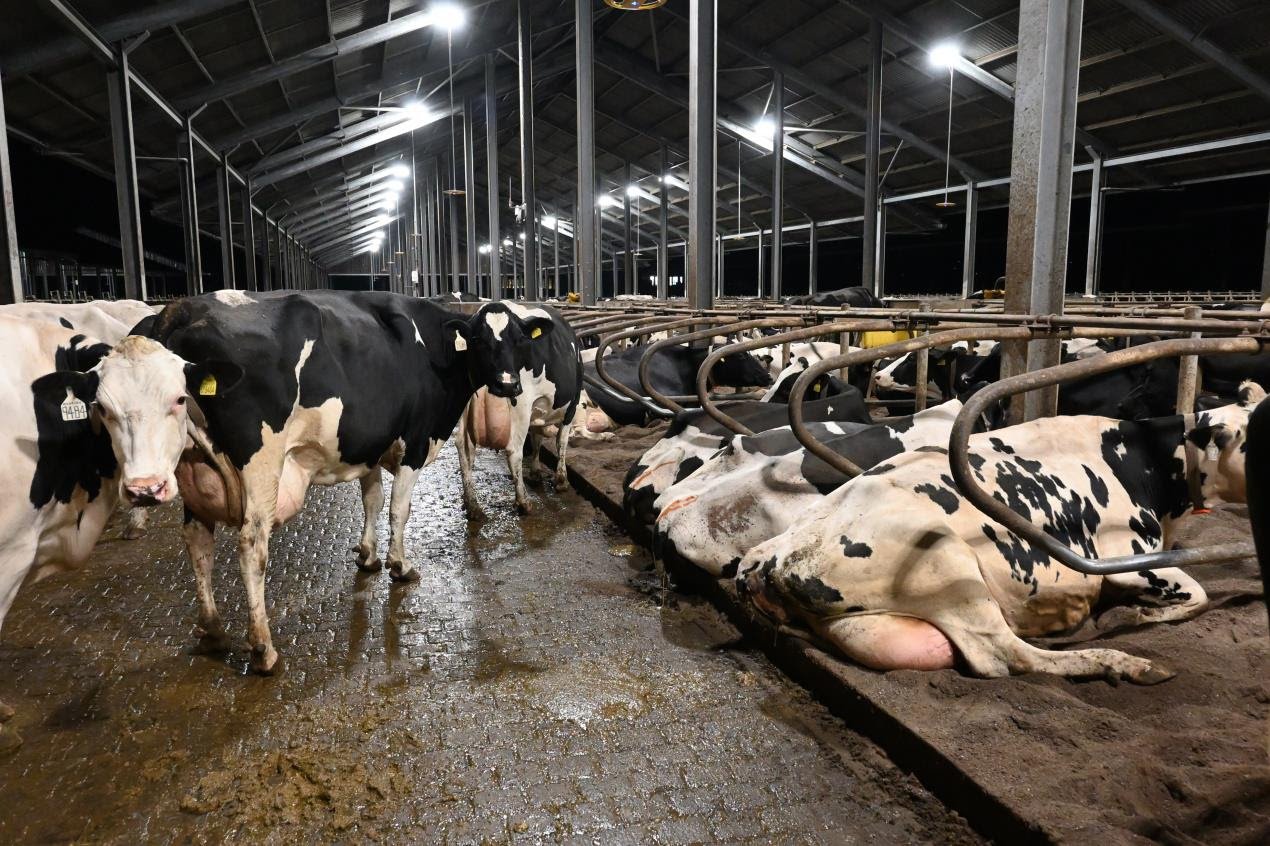
In recent years, global awareness around farm animal rights, ethical food choices, and environmental sustainability has grown rapidly. As societies learn more about the realities of factory farms, many individuals and organizations—such as the Humane Foundation—are advocating for compassionate treatment of animals, healthier diets, and a more sustainable way of living. Embracing a plant-based diet and a vegan lifestyle is increasingly seen as a powerful step toward protecting animals, improving human health, and safeguarding the planet.
Understanding Farm Animal Rights
Farm animal rights focus on the belief that animals raised for food deserve humane treatment, freedom from cruelty, and living conditions that meet their physical and psychological needs. Chickens, cows, pigs, and other farm animals are sentient beings capable of feeling pain, fear, and stress. Recognizing these rights challenges traditional industrial farming systems that prioritize profit over animal welfare.
Advocates argue that animals should not be confined to cramped spaces, subjected to painful procedures without anesthesia, or forced to live in unnatural environments. Promoting animal rights encourages reforms such as better living conditions, ethical farming practices, and ultimately reducing reliance on animal agriculture altogether.
The Hidden Issues of Factory Farms
Factory farming, also known as industrial animal agriculture, is one of the biggest contributors to animal suffering. In these facilities, animals are often kept in overcrowded cages, deprived of natural behaviors, and treated as production units rather than living beings. Practices such as battery cages for hens, gestation crates for pigs, and feedlots for cattle raise serious ethical concerns.
Beyond animal cruelty, factory farms also pose risks to human health and the environment. They contribute to water pollution, deforestation, antibiotic resistance, and greenhouse gas emissions. The excessive use of antibiotics to promote growth and prevent disease in crowded conditions has led to the rise of antibiotic-resistant bacteria, which is a growing global health threat.
Role of the Humane Foundation
Organizations like the Humane Foundation play a crucial role in raising awareness about animal welfare issues. They work to educate the public, support ethical policies, promote cruelty-free alternatives, and encourage compassionate choices. Through research, campaigns, and advocacy, such foundations highlight the impact of consumer decisions and push for systemic change in food production.
By supporting humane organizations, individuals can help promote stronger animal protection Factory Farms Issues laws, improved farming standards, and a transition toward sustainable and ethical food systems.
Benefits of a Plant-Based Diet
One of the most effective ways to reduce animal suffering is by adopting a plant-based diet. This diet emphasizes fruits, vegetables, grains, legumes, nuts, and seeds while eliminating or reducing animal products. The benefits of plant-based eating extend far beyond animal welfare.
From a health perspective, plant-based diets are associated with lower risks of heart disease, diabetes, obesity, and certain cancers. They are rich in fiber, antioxidants, and essential nutrients that support overall well-being. Many people report increased energy levels, improved digestion, and better long-term health outcomes after transitioning to plant-based foods.
Environmental Impact and Sustainable Living
Animal agriculture is a major contributor to climate change, responsible for significant greenhouse gas emissions, land degradation, and water consumption. In contrast, plant-based diets require fewer natural resources and produce a much smaller environmental footprint.
Sustainable living involves making choices that reduce harm to the environment while preserving resources for future generations. Choosing plant-based foods, reducing waste, conserving water, and supporting eco-friendly products all contribute to a more sustainable lifestyle. When individuals align their eating habits with environmental values, they help combat climate change and protect ecosystems.
Embracing a Vegan Lifestyle
A vegan lifestyle goes beyond diet—it is a commitment to avoiding the exploitation of animals in all aspects of life, including food, clothing, cosmetics, and entertainment. Vegans choose cruelty-free alternatives such as plant-based clothing materials, non-animal tested products, and ethical brands.
This lifestyle reflects compassion, responsibility, and mindfulness. While transitioning to veganism may seem challenging at first, the availability of plant-based alternatives has expanded dramatically. From dairy-free milk to meat substitutes, vegan options are now accessible, affordable, and diverse.
A Compassionate Future
The movement for farm animal rights, ethical eating, and sustainability is not about perfection but progress. Every small step—such as reducing meat consumption, supporting humane organizations, or choosing plant-based meals—makes a meaningful difference.
As awareness continues to grow, more people are recognizing that their daily choices have powerful consequences. By rejecting factory farm cruelty, embracing plant-based nutrition, and adopting sustainable habits, society can move toward a future that values compassion, health, and environmental balance.
Conclusion
Farm animal rights, plant-based diets, and sustainable living are deeply interconnected. Addressing factory farm issues through awareness, advocacy, and lifestyle changes can create a more humane and sustainable world. With the support of organizations like the Humane Foundation and the growing popularity of vegan lifestyles, individuals have the power to shape a food system that respects animals, nourishes people, and protects the planet for generations to come.